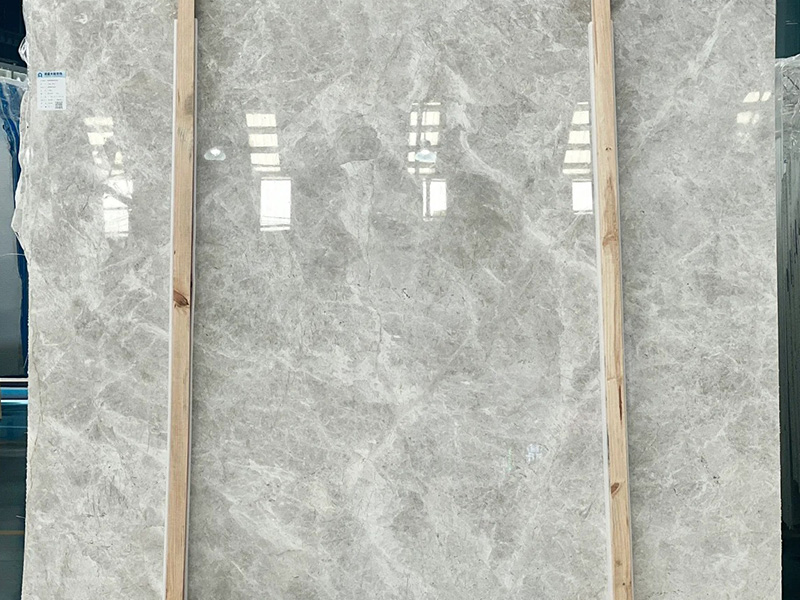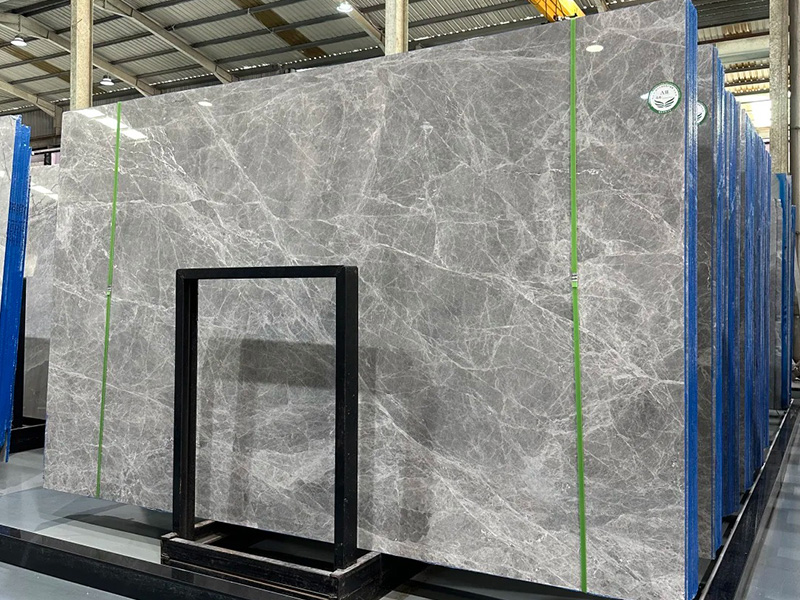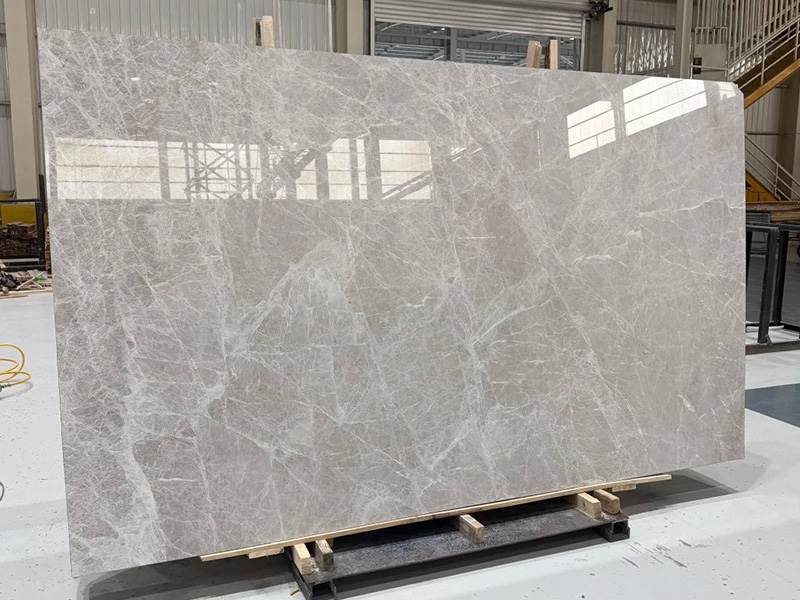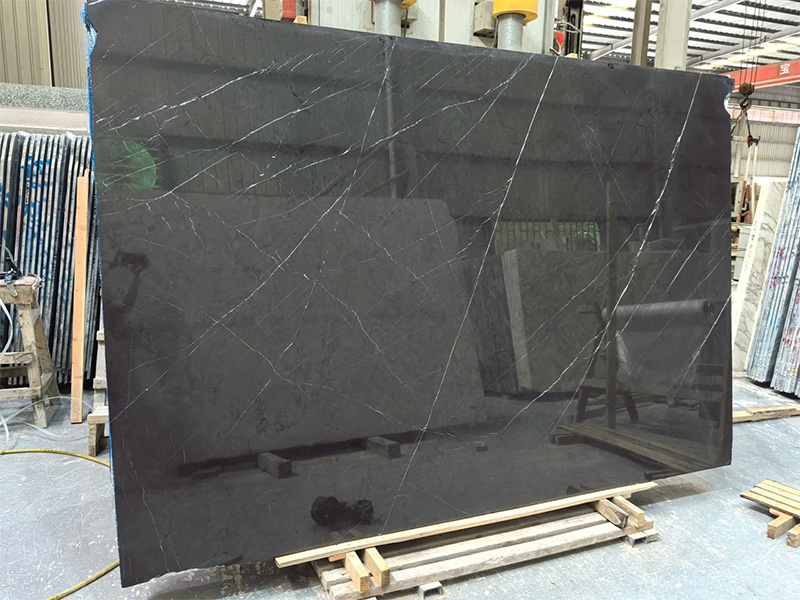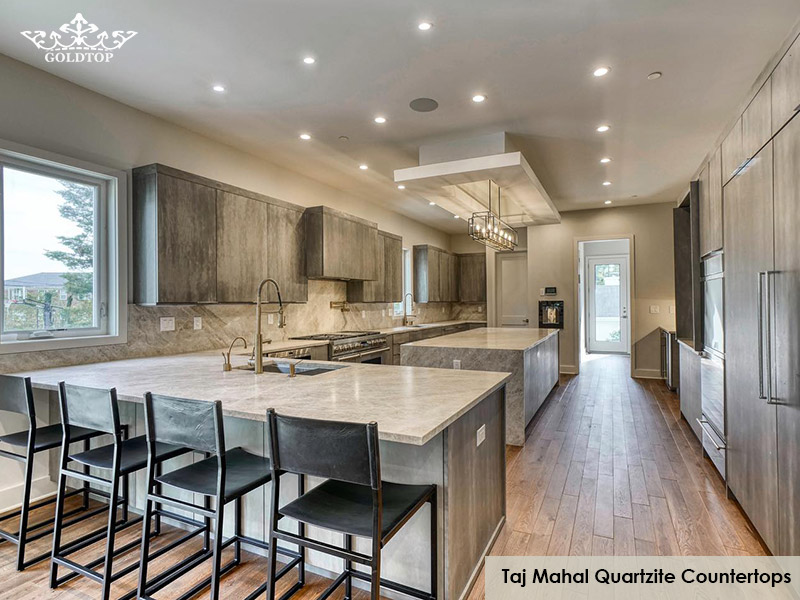
Why Sintered Stone Panels Are Redefining Contemporary Architecture

In the last decade, architectural materials have quietly undergone a structural shift. What once revolved around traditional cladding systems and conventional stone formats is now increasingly defined by sintered stone panels—not as a trend, but as a response to real design and performance demands.

Architects today are not simply choosing surfaces; they are specifying systems that must perform across structure, climate, scale, and long-term maintenance. This is where sintered stone has earned its place.


Large Format Without Structural Compromise

The rise of large format sintered stone is not driven by aesthetics alone. It answers a long-standing architectural challenge: how to create visually continuous surfaces without introducing excessive joints, thickness, or structural load.

Unlike traditional stone slabs that depend heavily on substrate reinforcement, sintered stone achieves dimensional stability through its manufacturing process. Mineral particles are compacted under extreme pressure and temperature, producing slabs that remain flat, consistent, and predictable—even at architectural scale.

For designers working on façades, transit hubs, commercial podiums, or cultural buildings, this predictability simplifies detailing and reduces downstream risk during installation.


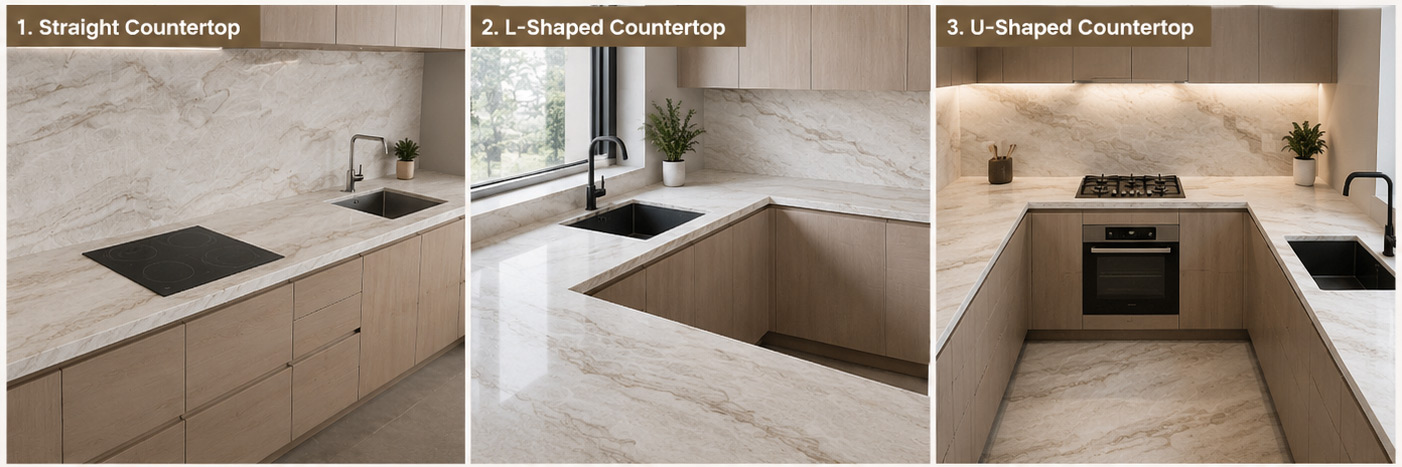
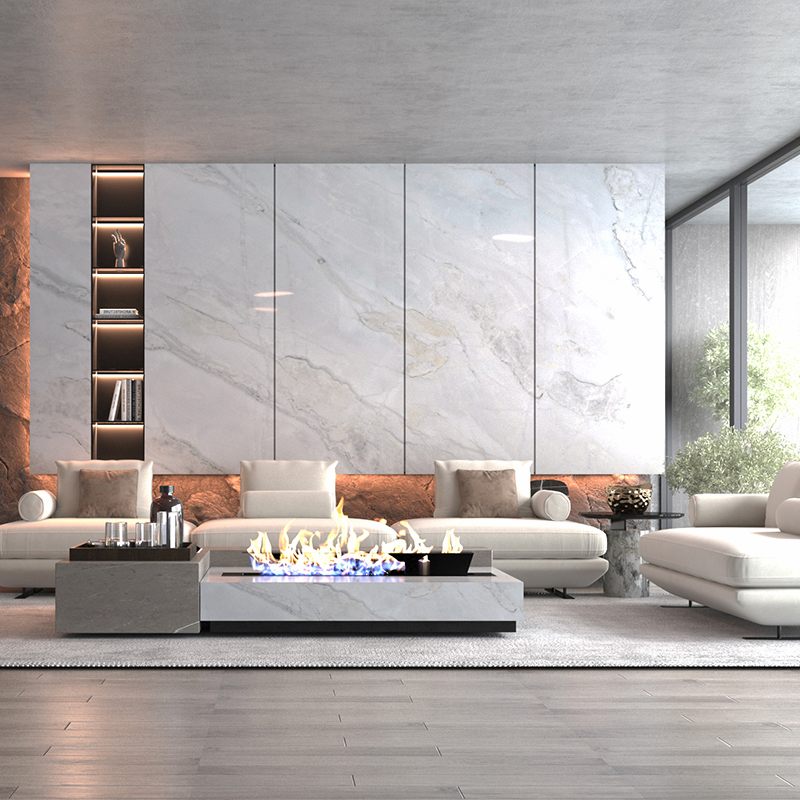
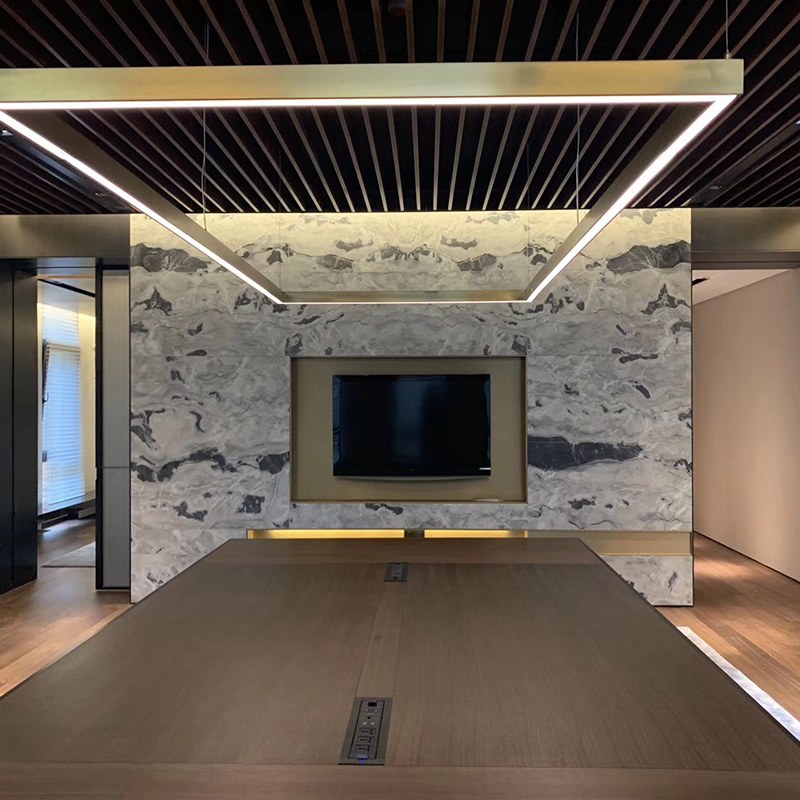
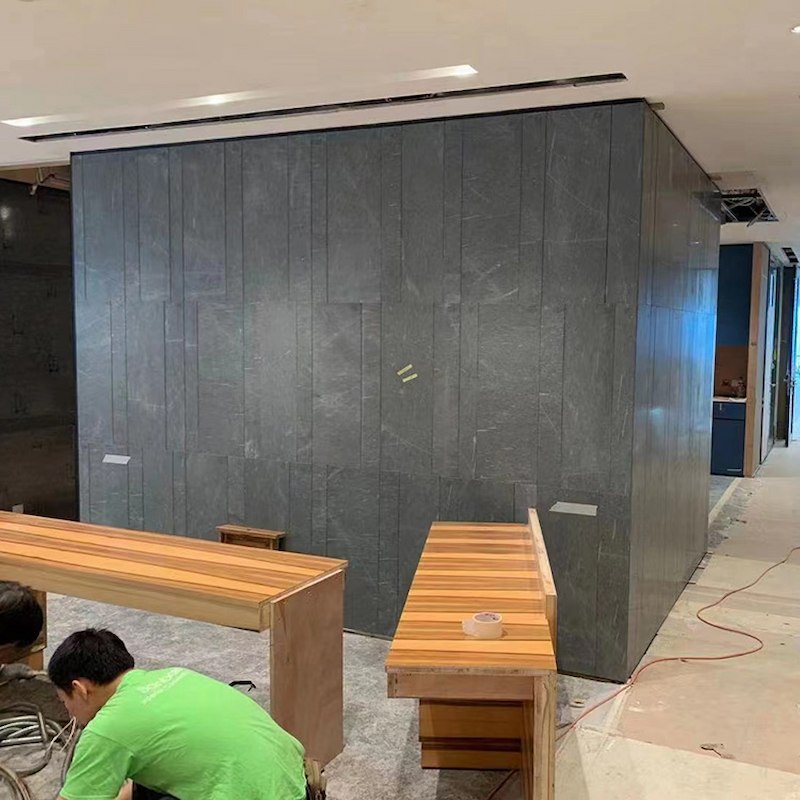
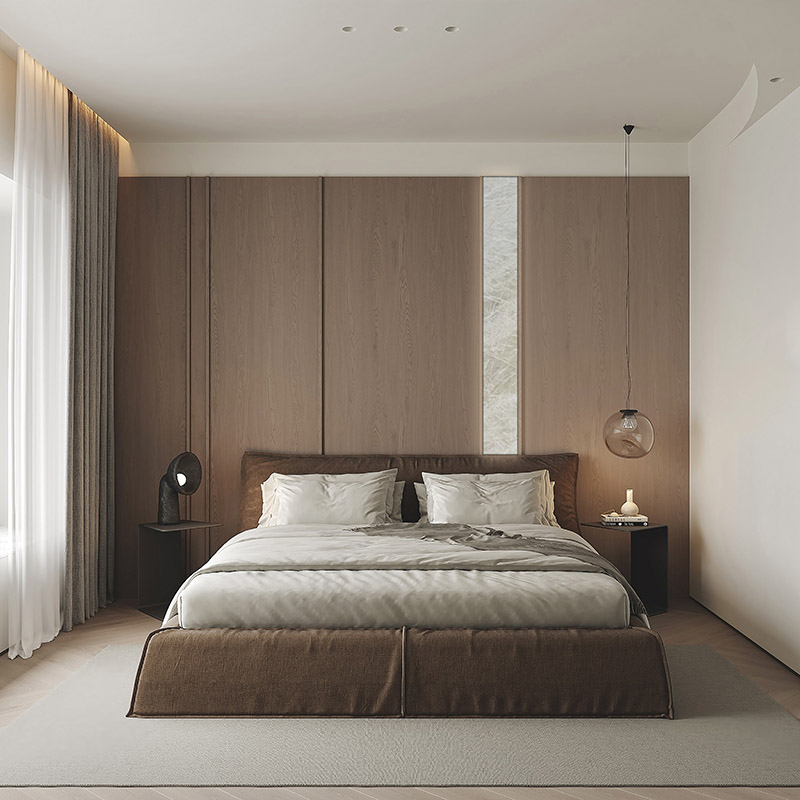
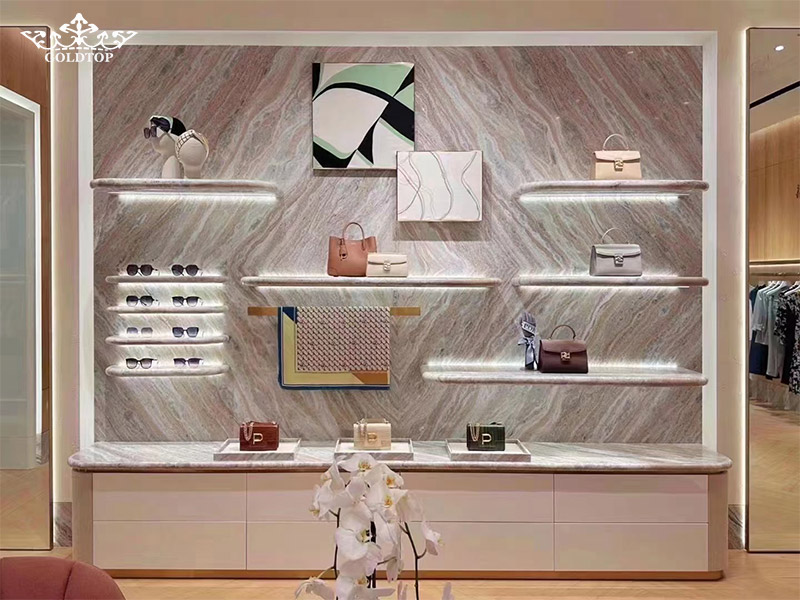
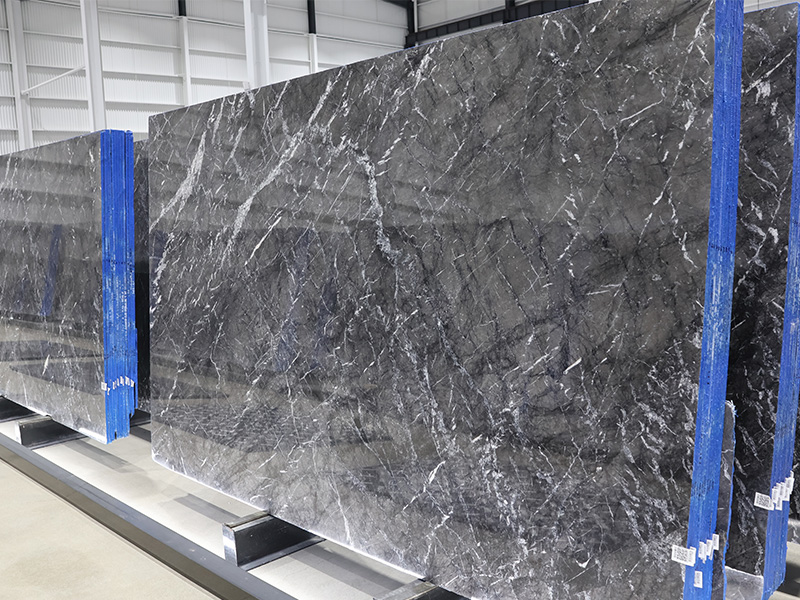
sintered stone panels for inside


Ultra Compact Surfaces, Engineered for Real Conditions

When professionals refer to ultra compact surfaces, they are describing more than hardness. They are referring to a material category engineered to resist:

  • UV exposure without surface degradation

  • Freeze–thaw cycles in exterior environments

  • Chemical contact in public or industrial spaces

  • Thermal variation across large elevations

These characteristics are not added through coatings or treatments; they are inherent to the material body. This distinction matters in architecture, where surface failure is not a cosmetic issue—it is a liability.


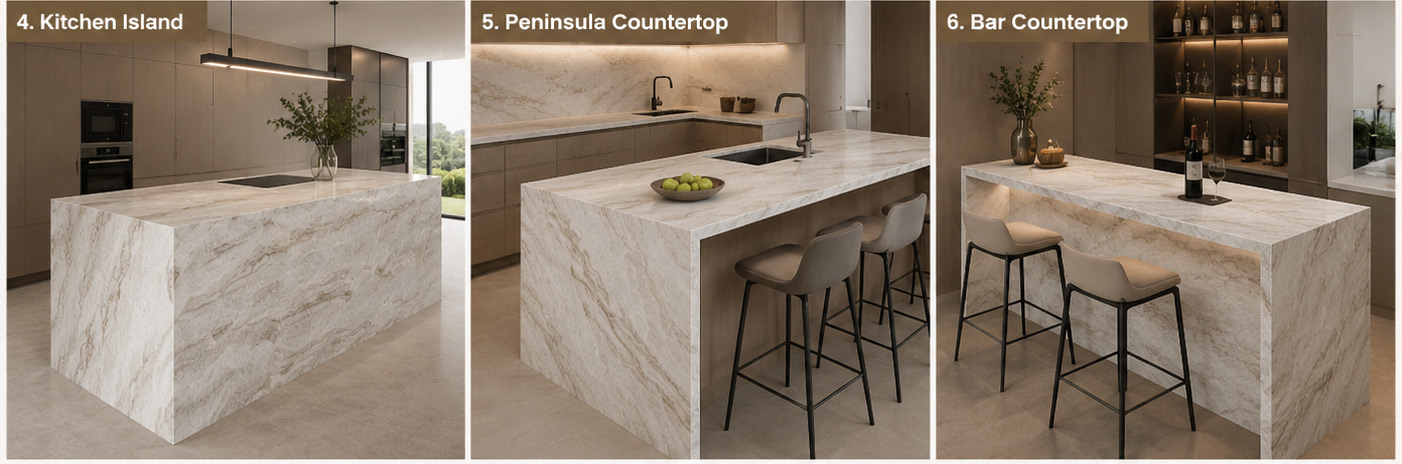
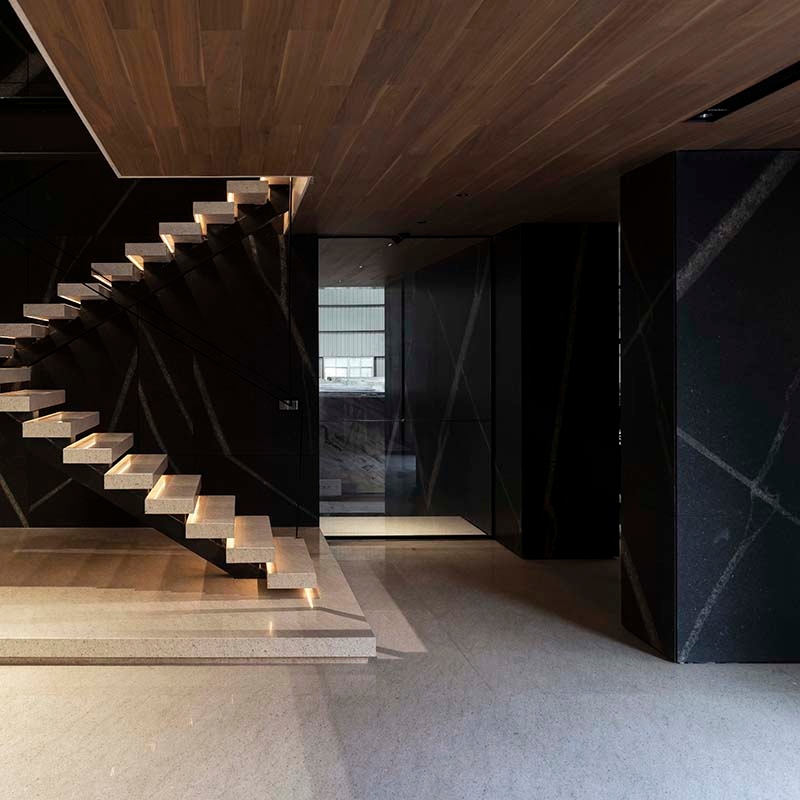
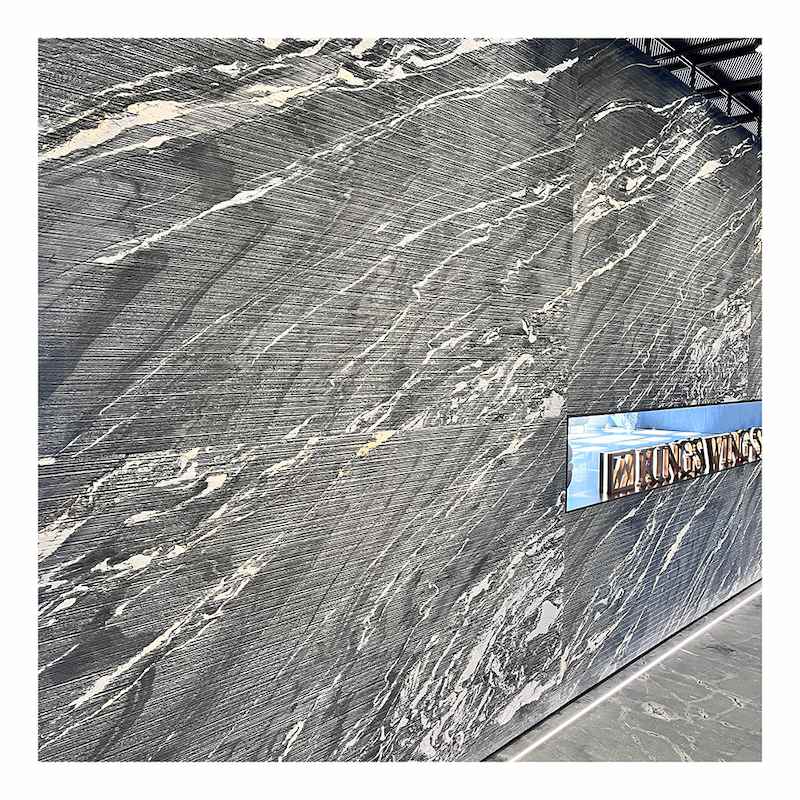
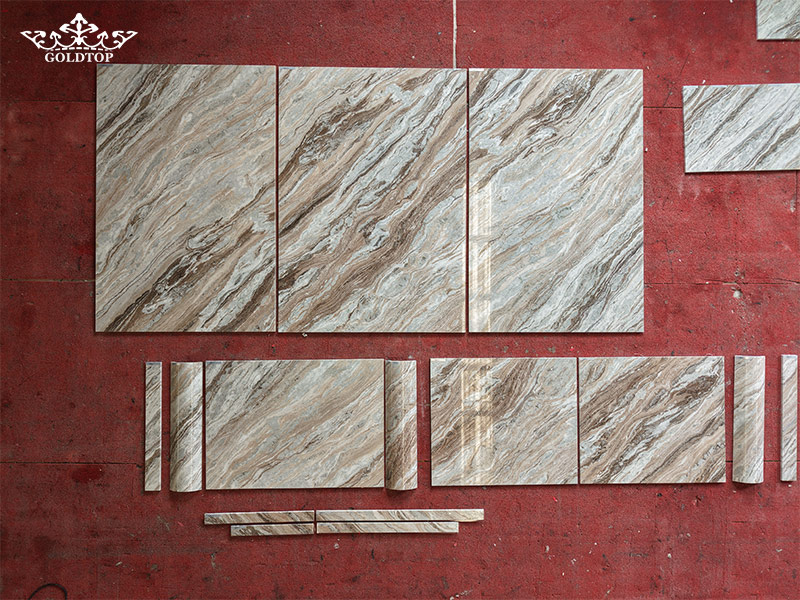
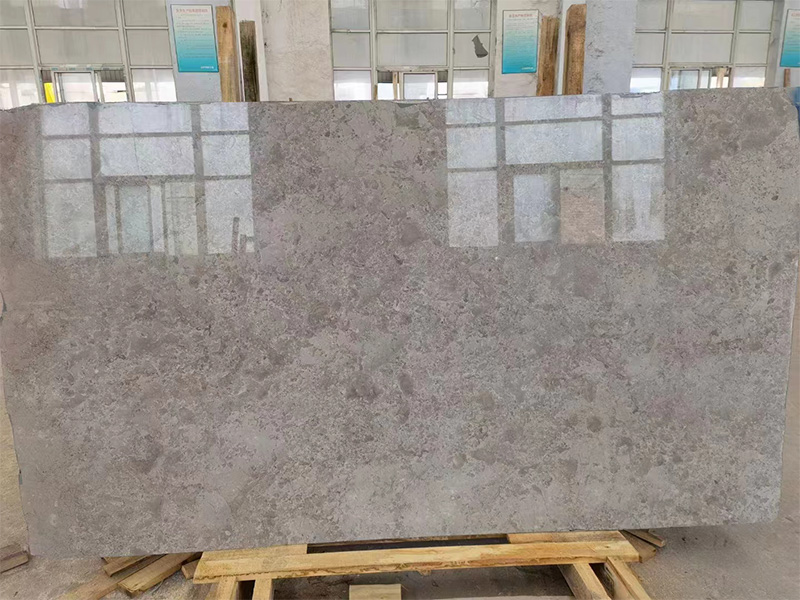
large format sintered stone panles


Façade Design That Balances Expression and Longevity

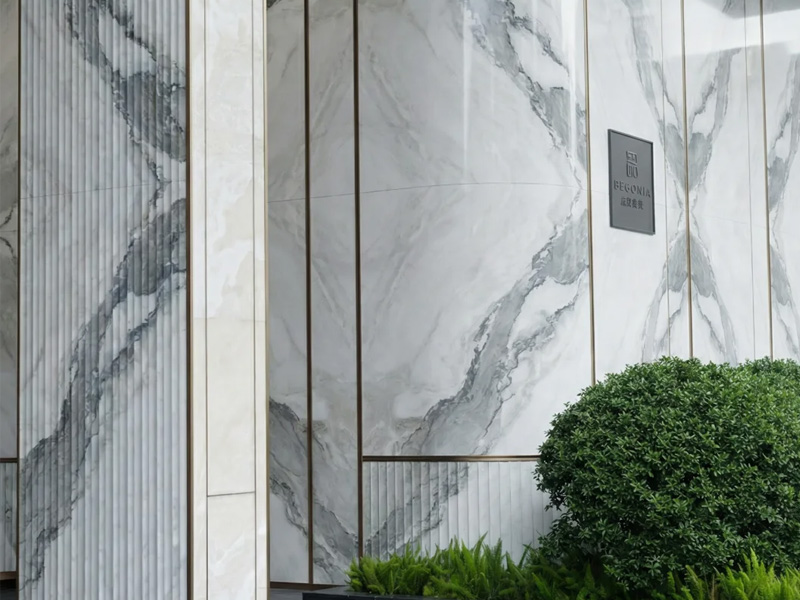
A well-executed sintered stone facade offers architects something rare: design freedom without sacrificing performance discipline.

From ventilated façade systems to dry-hung applications, sintered stone allows for controlled thickness, precise tolerances, and consistent color behavior over time. It enables architects to design clean geometries, sharp edges, and large visual planes—without the weathering unpredictability associated with many natural materials.

This balance is why sintered stone is increasingly specified for airports, museums, high-rise podiums, and civic architecture.


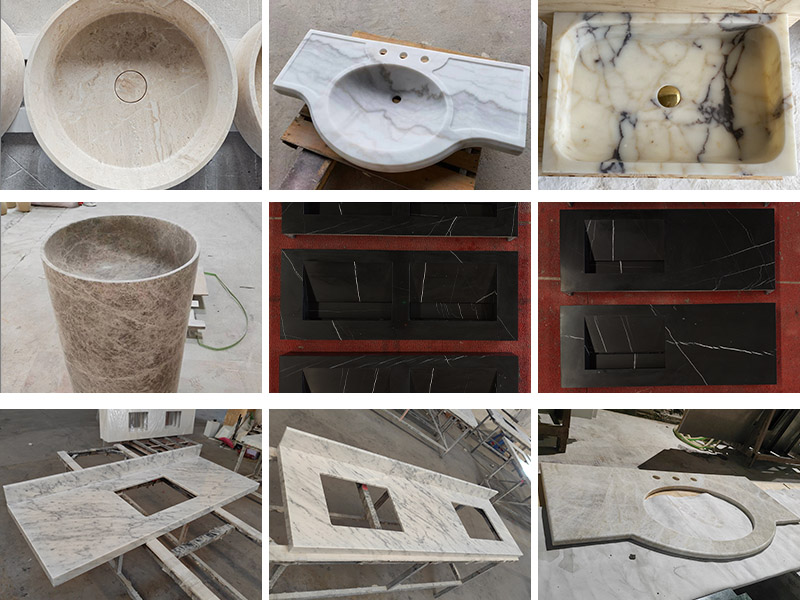
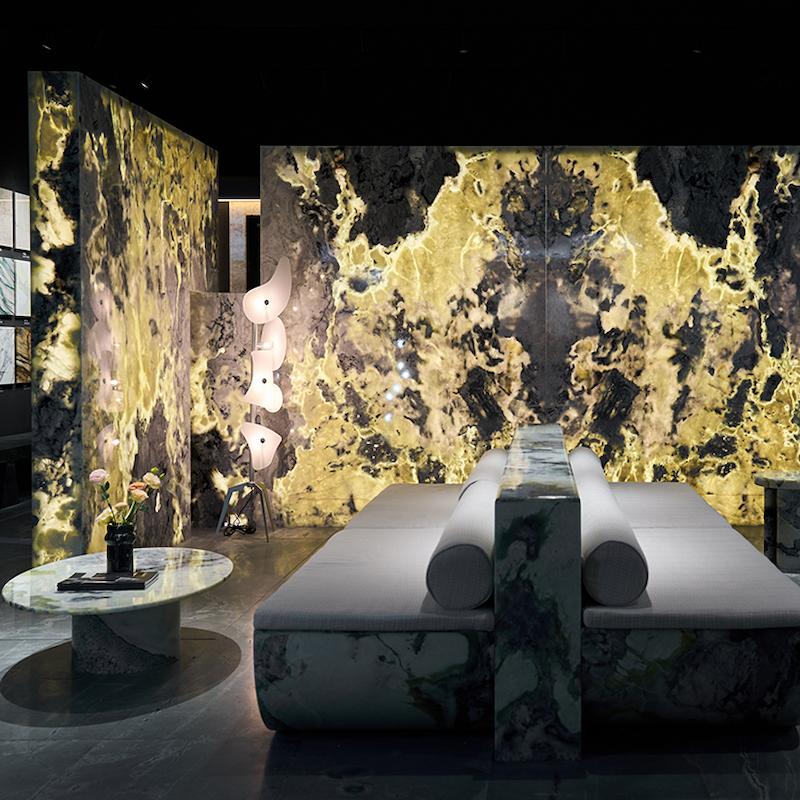
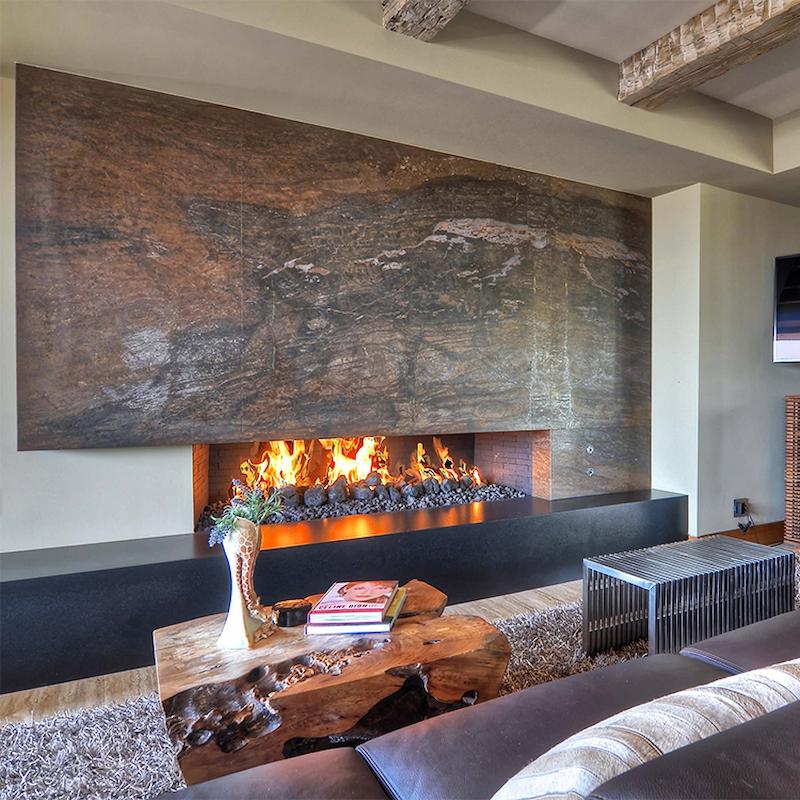
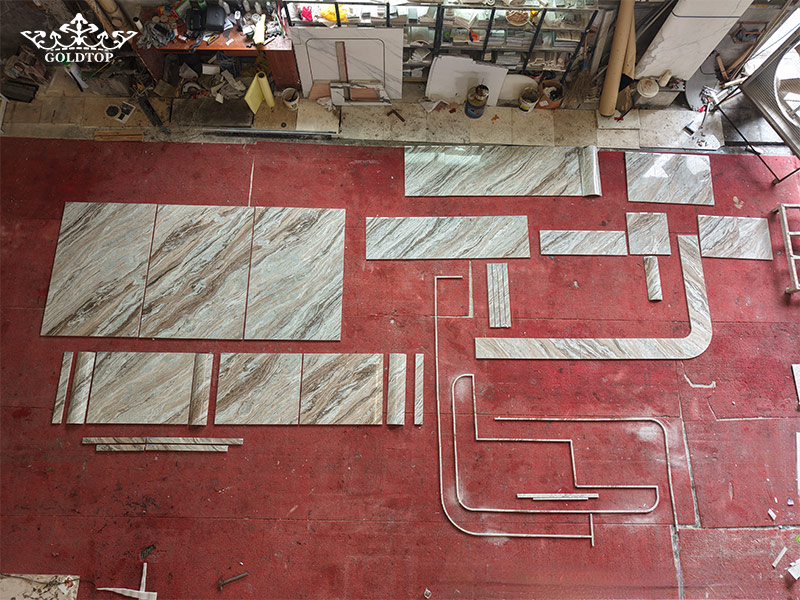
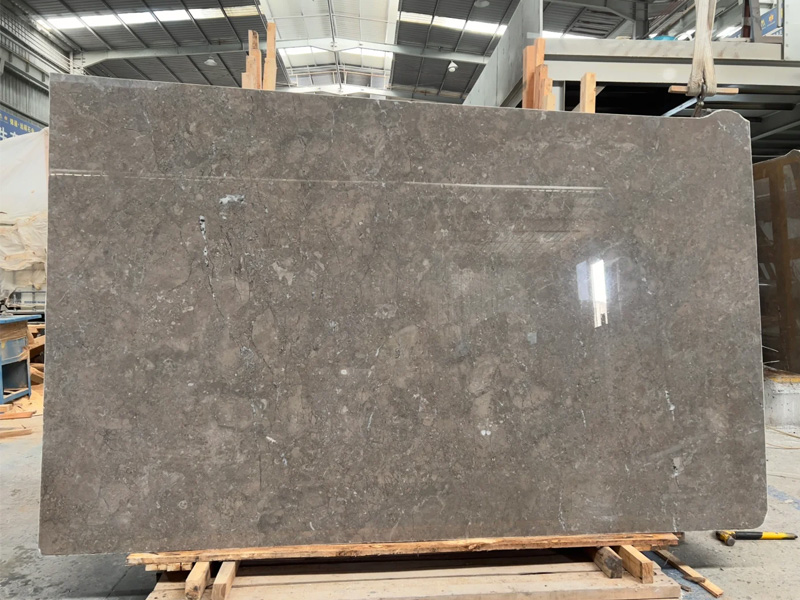
ultra compact surfaces for sell


Architectural Sintered Stone as a System, Not a Surface

Too often, materials are discussed as finishes. In reality, architectural sintered stone functions as part of a broader building envelope strategy.

Its compatibility with modern fixing systems, its resistance to environmental stress, and its low water absorption make it suitable for integration into high-performance façades. For architects, this means fewer compromises between concept design and execution.

In mature markets, sintered stone is no longer positioned as an alternative—it is specified deliberately, often early in the design phase.


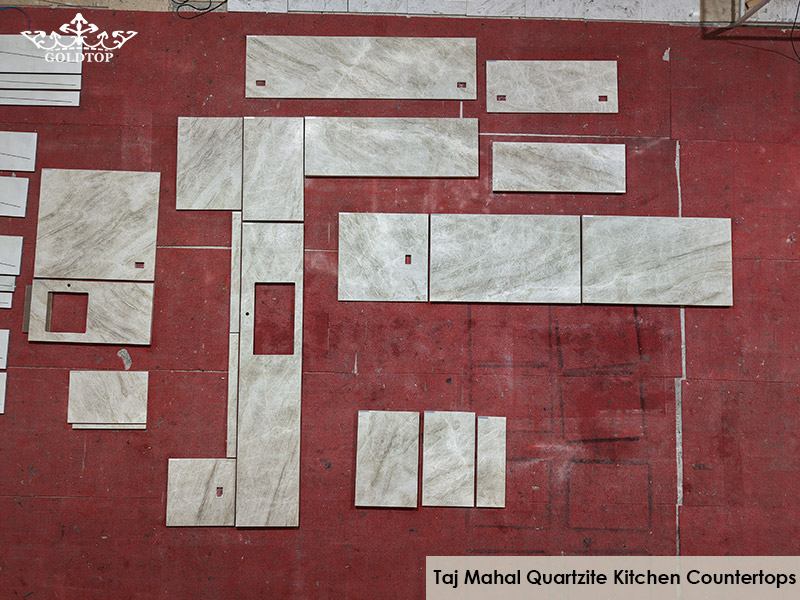
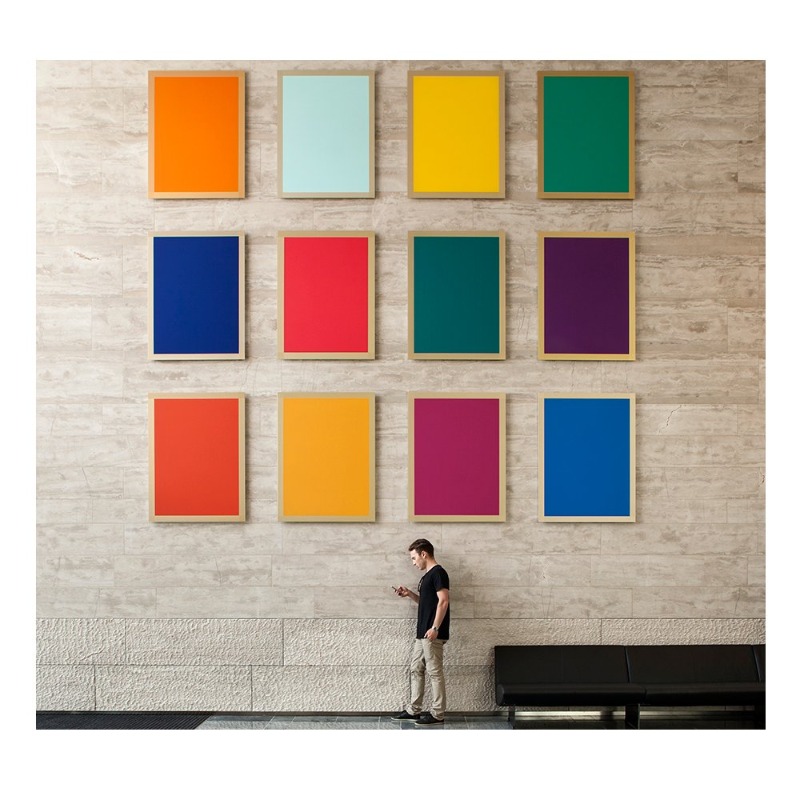
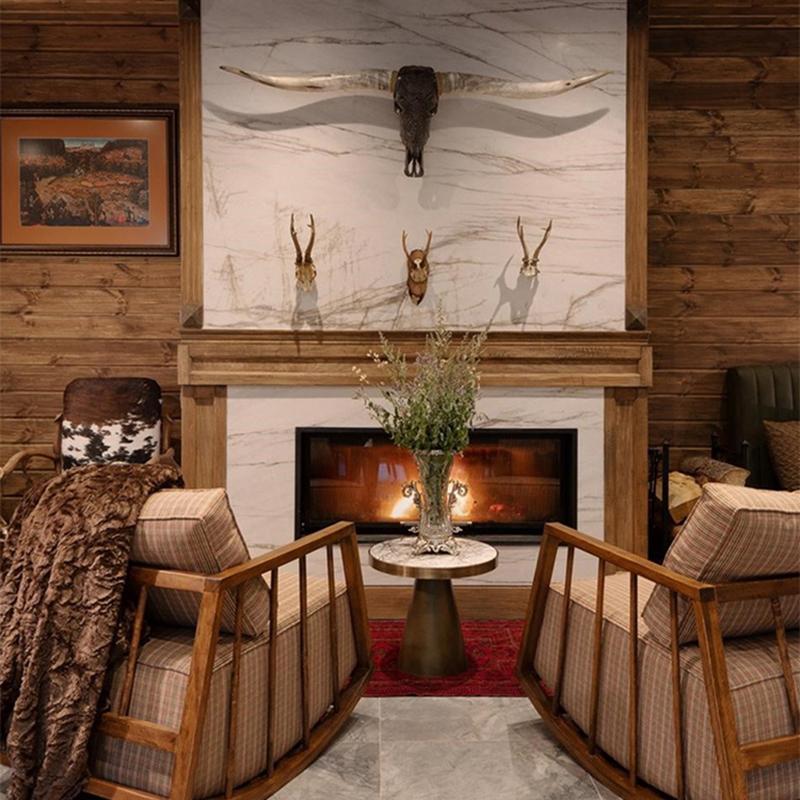
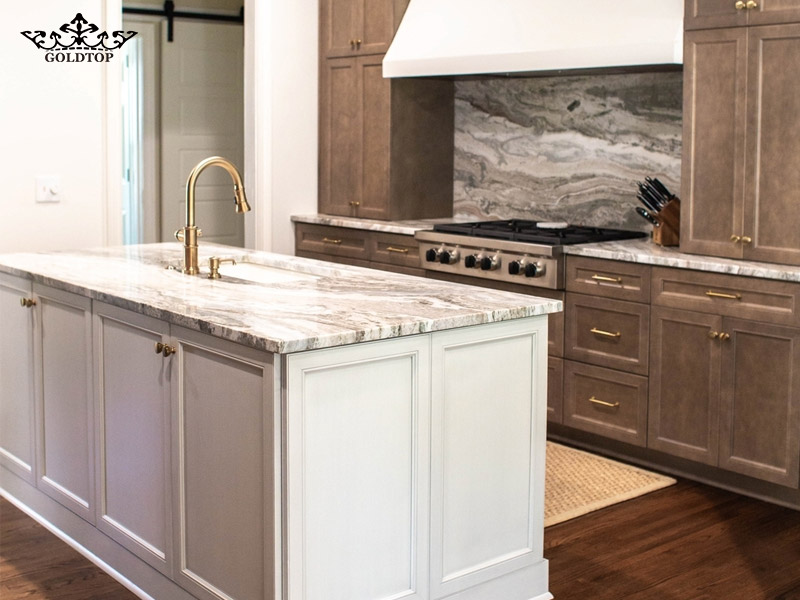
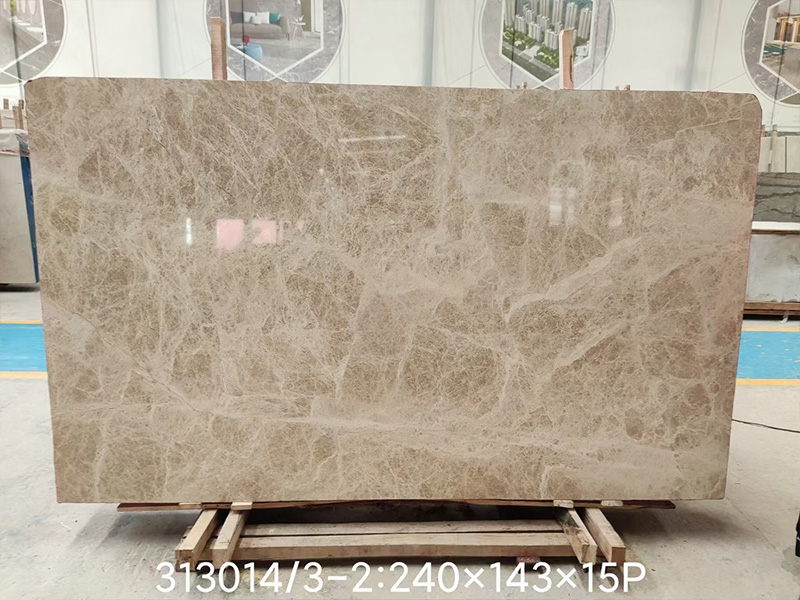
sintered stone manufacturer in China


The Role of the Sintered Stone Manufacturer

Behind every successful project is a capable sintered stone manufacturer who understands architecture, not just production.

Consistency in slab geometry, batch stability, technical documentation, and project coordination are critical at architectural scale. Manufacturers serving international projects must support designers with:

  • Technical data aligned with building codes

  • Stable production capacity for phased developments

  • Material consultation during early specification

Without this level of collaboration, even the most advanced material falls short of architectural expectations.


A Material Shaped by Architecture, Not Fashion

Sintered stone has reached its current position not through marketing, but through application. It solves problems that architects face daily—scale, durability, precision, and longevity.

As building envelopes continue to evolve toward thinner, lighter, and more performance-driven systems, sintered stone is no longer an emerging option. It is already part of the architectural vocabulary. And in many cases, it is shaping that vocabulary.


architectural sintered stone for sell


Discover the Elegance and Durability of Porcelain Slabs The Ultimate Choice for Modern Living

In the world of interior design and architecture, the quest for materials that combine beauty, strength, and versatility is unlimited. The porcelain slab represents the epitome of luxury and functionality. Whether you’re renovating your kitchen, designing a stunning bathroom, or building a sleek outdoor space, porcelain slabs offer unparalleled benefits that make them the perfect choice for any project.

Modern living stone choice


Why Choose Porcelain Slabs?
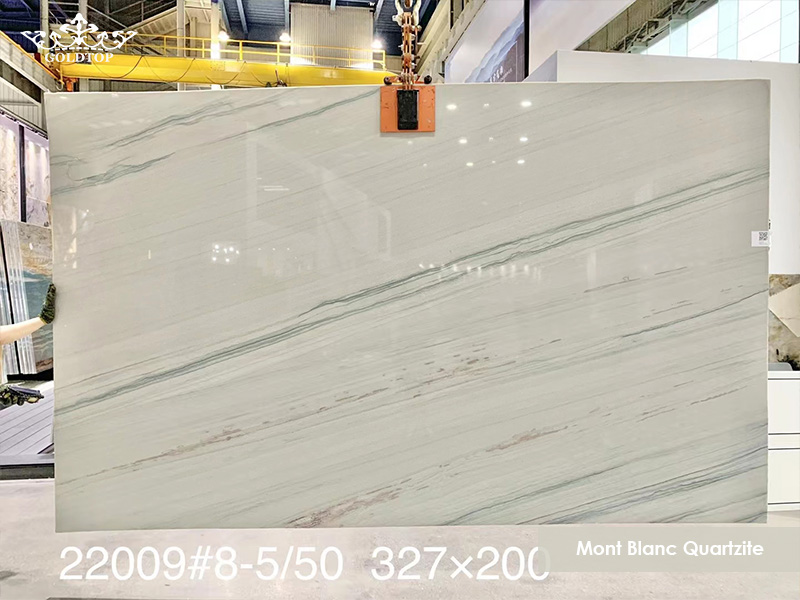
1. Timeless Beauty: Porcelain slabs bring a natural, elegant aesthetic to any space. With a wide range of colors, patterns, and surface finishes available, you can find the perfect slab to match your design vision. From the classic veining of marble to the bold, dramatic look of granite, stone slabs add a touch of sophistication that never goes out of style.

2. Unmatched Durability: Porcelain slabs are renowned for their strength and resilience, because of its most advanced manufacturing equipment. Resistant to scratches, heat, and stains, they are ideal for high-traffic areas like kitchens and bathrooms. Their robust nature ensures that your surfaces will remain pristine for years to come, even with daily use.

3. Low Maintenance: Unlike other materials that require constant upkeep, porcelain slabs are easy to maintain. A simple wipe with a damp cloth and mild detergent is all it takes to keep them looking as good as new. With proper sealing, they can resist moisture and bacteria, making them a hygienic choice for countertops and flooring.

4. Versatility: Porcelain slabs are incredibly versatile and can be used in a variety of applications. From countertops and backsplashes to flooring and wall cladding, their adaptability makes them a favorite among designers and homeowners alike. They can even be used outdoors for patios and pool surrounds, thanks to their ability to withstand the elements.

5. Eco-Friendly: For those who prioritize sustainability, porcelain slabs are an excellent choice. They are a natural product, requiring minimal processing, and are often sourced locally, reducing their carbon footprint. Additionally, their longevity means less frequent replacements, contributing to a more sustainable lifestyle.

China porcelain slabs factory

Natural Marble vs Engineered Stone How Luxury Hotels Actually Decide


In luxury hospitality projects, the decision between natural marble and engineered stone is rarely as straightforward as it appears in early design concepts.


What begins as a purely aesthetic discussion often becomes a complex negotiation between design intent, procurement risk, long-term maintenance responsibility, and brand positioning. By the time a hotel project reaches final material approval, the question is no longer “Which stone looks better?” but “Which stone will still perform—and justify itself—five or ten years after opening?”


This is where many initial material preferences quietly change.


The Misconception: “Luxury Hotels Always Prefer Natural Marble”

At concept stage, natural marble dominates mood boards. Its visual depth, irregular veining, and historical association with luxury make it an intuitive choice for designers aiming to signal prestige.

However, in projects above the four-star level, marble is rarely approved for aesthetics alone.

In practice, hotel developers and operators evaluate stone through a broader lens:

  • How predictable is the material across large surface areas?

  • How difficult is it to replace damaged sections years later?

  • Who carries the maintenance burden after handover?

  • Will visual variation strengthen the brand—or undermine consistency?

Once these questions surface, the conversation shifts.


How Architects, Procurement Teams, and Owners See Stone Differently

One reason stone selection becomes contentious is that each stakeholder evaluates materials through a different risk framework.

Architects prioritize:

  • Visual continuity across public spaces

  • Natural variation as a design feature

  • Material authenticity

Procurement teams focus on:

  • Batch consistency

  • Lead time reliability

  • Replacement availability years after installation

Owners and operators ultimately care about:

  • Lifecycle cost

  • Maintenance frequency

  • Brand perception over time, not just opening day

Natural marble and engineered stone perform very differently across these dimensions.


Where Natural Marble Truly Excels

Natural marble remains unmatched in certain contexts:

  • Signature areas such as feature walls, reception desks, or statement staircases

  • Boutique or low-traffic luxury environments

  • Projects where natural variation is intentionally celebrated

In these applications, the uniqueness of marble adds value rather than risk.

However, problems arise when marble is specified across large, highly visible, high-traffic surfaces—particularly in international hotel projects where future replacement stone must match earlier installations.


The Reality of Consistency and Replacement

One of the most underestimated challenges with natural stone is long-term consistency.

Even within the same quarry, blocks extracted years apart rarely match perfectly. For hotels operating at scale, this becomes a practical concern:

  • A damaged floor section cannot always be replaced invisibly.

  • Renovation phases may introduce visible inconsistencies.

  • Maintenance decisions made years later affect brand perception.

Engineered stone addresses this issue by design.

Its controlled manufacturing process allows for:

  • Repeatable patterns

  • Predictable color tone

  • Long-term availability for future refurbishment

This predictability is one reason engineered stone increasingly appears in corridors, guestrooms, and expansive lobby flooring—areas where visual continuity outweighs material romance.


Engineered Stone Is Not a “Second Choice”

A common assumption is that engineered stone is chosen to reduce cost. In reality, many luxury hotels select it to reduce uncertainty.

When properly specified, engineered stone offers:

  • Stable performance in high-traffic areas

  • Lower maintenance sensitivity

  • Easier long-term planning for renovations

This does not diminish the role of natural stone—it reframes it.

The most successful hospitality projects today do not choose between natural and engineered stone. They assign each material to the environment where it performs best.
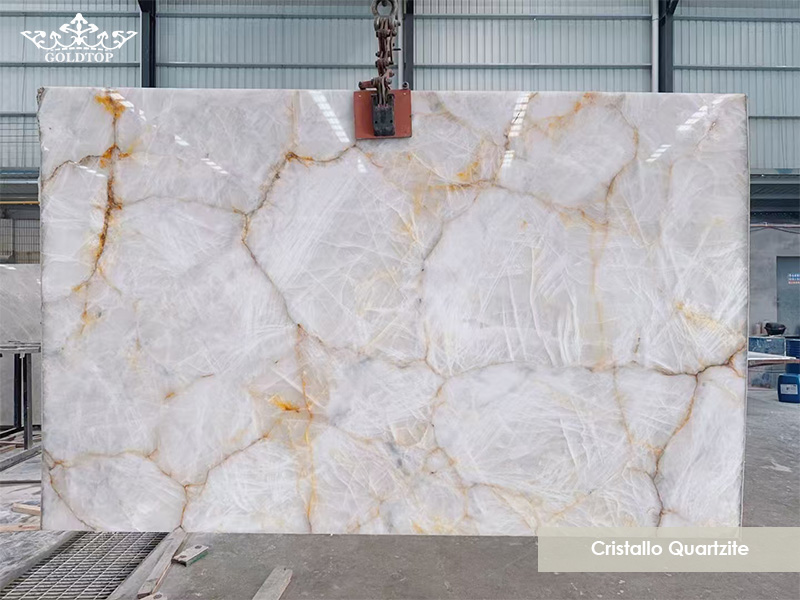


The Decision Logic That Actually Works

In practice, luxury hotels tend to follow a hybrid logic:

  • Natural marble for focal areas where uniqueness enhances experience

  • Engineered stone for expansive surfaces where consistency and durability matter more

  • Early supplier involvement to anticipate sourcing and maintenance implications

Projects that apply this logic early avoid late-stage redesigns, budget tension, and post-opening regret.


Why Supplier Experience Changes the Outcome

Material decisions rarely fail because of stone quality alone. They fail because trade-offs were not understood early enough.

Suppliers with experience across both natural and engineered stone categories tend to identify these issues before they become problems—often during specification rather than procurement.

At that stage, the value of expertise is not measured in square meters supplied, but in decisions avoided.


Thought in the end

In luxury hospitality, stone is not just a surface. It is a long-term commitment that affects operations, brand consistency, and guest perception for years.

Understanding how hotels actually decide—rather than how they wish to decide—makes all the difference.

Why “Beautiful Marble” Is Often Rejected in Final Hotel Procurement

In the early stages of hotel design, marble is rarely questioned.

It appears on mood boards, renderings, and concept presentations as a visual shorthand for luxury. The veining looks dramatic, the surface feels timeless, and the material carries an immediate association with high-end hospitality.

Yet, in many international hotel projects, that same “beautiful marble” never makes it to the final procurement list.

This is not because the stone suddenly loses its appeal—but because beauty alone does not survive the transition from design intent to operational reality.


Project-Based China Stone Supply for Hotels


When Design Approval Meets Procurement Responsibility


The moment a hotel project moves beyond concept approval, the decision-making framework changes.

Design teams are still focused on atmosphere and guest experience. Procurement teams, however, are now accountable for risk, consistency, and long-term performance. Owners and operators are already thinking several years ahead—past opening day, past marketing photos, and into daily maintenance and future refurbishment cycles.

This shift is where visually compelling materials often encounter resistance.

In large hospitality developments, especially those spanning multiple floors or public zones, the question is no longer “Is this marble beautiful?” but “Can this material be controlled, repeated, and managed over time?”
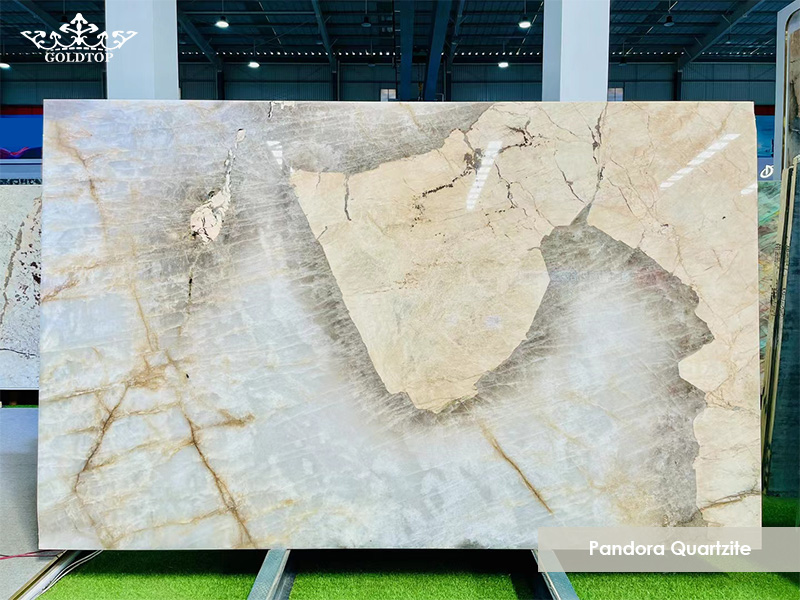
 

China Stone Flooring for Luxury Hospitality Projects


The Problem Is Not Marble—It Is Predictability


Natural stone variation is often celebrated as authenticity. In limited, carefully curated areas, this uniqueness enhances the spatial experience.

However, when marble flooring stone for high-traffic areas is specified across expansive lobbies, corridors, or shared public spaces, that same variation becomes a liability rather than a feature.

Procurement teams raise concerns that are rarely voiced during design presentations:
  • Will future replacement slabs match the original installation?

  • Can damaged sections be repaired without visible disruption?

  • How much visual deviation is acceptable before the space feels inconsistent?

These questions are not theoretical. They come from past projects where visually stunning materials created long-term operational challenges.


China White Marble Slabs for Hotel Interiors


The Scale Factor: Why Size Changes Everything

Marble behaves differently at different scales.

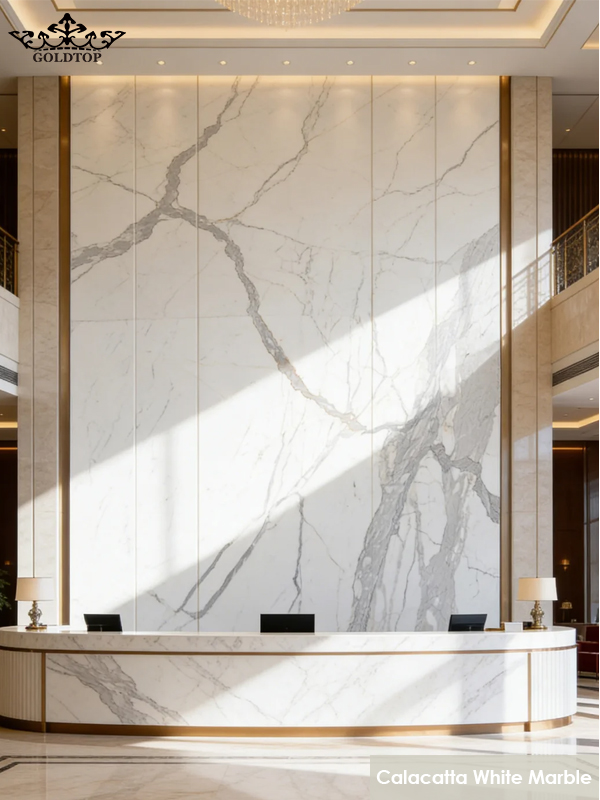
A statement wall clad in Calacatta marble slabs for luxury hotels can be spectacular because the eye expects variation. In contrast, a 1,000-square-meter lobby floor demands visual continuity. Even minor differences in tone or veining become obvious once repeated across large surfaces.

This is why large format stone slabs for hotel lobbies are often scrutinized more heavily than feature applications. Larger slabs reduce joint lines, but they also amplify inconsistencies. Once installed, there is no practical way to “blend” mismatched sections without reworking entire zones.

At this point, procurement resistance is not about cost—it is about control.


Why Engineered Alternatives Enter the Conversation


Engineered Stone for High-Traffic Commercial Areas


When procurement teams propose alternatives, they are rarely trying to downgrade design quality. They are attempting to reduce variables.

Engineered stone slabs for hospitality projects are increasingly evaluated not as substitutes, but as tools for predictability. Their controlled manufacturing process offers:

  • Repeatable patterns across production batches

  • Stable color tone over time

  • Easier future replacement planning

For high-traffic or large-scale applications, these attributes often outweigh the emotional appeal of natural variation.

This is particularly true in international hotel chains, where brand consistency across properties matters as much as individual design expression.


The Unspoken Risk: Maintenance Responsibility


One of the least discussed factors in stone selection is what happens after handover.

Marble is sensitive to acids, abrasion, and cleaning methods. In a controlled residential environment, this is manageable. In a busy hotel lobby with unpredictable foot traffic, luggage wheels, and cleaning schedules, the risk increases significantly.

This is why artificial marble for commercial interiors frequently appears in final specifications—even when natural stone was initially preferred.

The decision is rarely emotional. It is operational.


Architects and Procurement Teams Are Solving Different Problems


This tension does not exist because one side is “wrong.” It exists because they are solving different problems under different constraints.

Architects are tasked with creating memorable spaces. Procurement teams are tasked with ensuring that materials perform consistently across time, geography, and operational cycles.

The most successful projects acknowledge this early and adjust material strategy accordingly.

Instead of forcing a single material everywhere, they assign stone types based on performance context—allowing each material to do what it does best.


Where Hybrid Strategies Succeed


In many contemporary hospitality projects, the final solution is not a compromise but a layered strategy.

Natural marble is reserved for areas where its uniqueness adds experiential value. Engineered materials are used where repetition, durability, and future maintenance matter more.

This approach allows design intent to survive procurement scrutiny without sacrificing long-term practicality.

Suppliers offering custom stone solutions for international hotel projects often play a critical role here—not by pushing a particular product, but by helping teams anticipate these trade-offs before they become conflicts.


Why “Rejected” Does Not Mean “Failed”


When marble is removed from a specification, it is rarely a rejection of the material itself. It is a recognition that certain environments demand predictability over individuality.

Understanding this distinction changes the conversation.

Stone selection in hospitality is not about choosing the most impressive sample. It is about choosing the material that aligns with how the space will actually be used, maintained, and perceived over time.

Projects that respect this reality early tend to avoid last-minute redesigns, budget strain, and post-opening regret.


Final Perspective


In hotel projects, beauty is necessary—but it is never sufficient on its own.

The materials that survive final procurement are those that balance design ambition with operational logic. Recognizing why certain marbles are reconsidered does not diminish their value; it places them where they belong.

Given that remaining balance, informed decisions are made—and the project is stronger for it.

Design Inspiration | Marble Inlaid Flooring Reimagining the Artistic Language of Retro Spaces

In crafting a retro space, the floor is not just a foundation—it is a key medium for artistic storytelling. Marble inlaid flooring, with its unique textures, colors, and geometric compositions, bridges historical charm and contemporary aesthetics. Enabled by Waterjet Cutting technology, precise patterns bring together the natural feel of stone and human design, creating a visual effect that is both luxurious and harmonious.

Marble inlaid flooring


1.Geometric Rhythm: Symmetry and Extension
A central radial pattern extends outward into rings and diamond shapes, forming a symmetrical “concentric circles + radiating lines” structure. This design highlights spatial focus and rhythm through precisely cut Waterjet Marble Patterns. The contrast of black and white Waterjet Marble Tile Flooring enhances geometric order with soft tones, adding dynamic layers to the floor.

Waterjet Marble Tile flooring

2. Soft Textures: Nature Meets Order
Repeated semicircular and triangular modules create flowing, scale- or petal-like patterns in Waterjet Marble Mosaic. The fine interweaving of Waterjet Marble Texture results in smooth, rhythmic lines. Warm red-brown paired with white marble introduces a low-saturation retro warmth, showcasing the premium quality of Mosaic Marble Flooring.

Waterjet Marble Mosaic

Waterjet Marble Mosaic

Waterjet Marble Texture

3. Relaxed Character: Staggered and Three-Dimensional Expression
Randomly mixed small stone tiles of varying sizes break away from strict symmetry. The natural arrangement of colors softens geometric order, creating a relaxed, casual feel. Strategic cutting enhances light and shadow contrast, giving a flat surface a three-dimensional effect under illumination.

Mosaic Marble Flooring

Mosaic Marble Flooring

4. Dynamic Visuals: Curves and Illusions
Curved black-and-white stripes, achieved through waterjet cutting, bend, overlap, and intertwine. This type of Waterjet Marble Pattern creates a “dynamic distortion” effect, making the floor resemble flowing ripples and adding strong visual impact to a static space.

Waterjet Marble Pattern

Waterjet Marble Pattern

5. Luxurious Retro: Color and Light in Grand Narrative
A combination of off-white and golden marble, laid out in Waterjet Marble Mosaic, conveys elegant retro luxury. The natural veins of the stone blend with inlaid lines, enhancing a sense of solemnity through a unified color palette.

Waterjet Marble Pattern

Conclusion
Marble inlaid flooring is more than just material and craftsmanship—it is a profound interpretation of spatial aesthetics. Waterjet Cutting technology unlocks endless possibilities for Marble Waterjet Design, turning each piece of stone into a unit of retro artistic language, reshaping the warmth and soul of a space.

Stone Recommendations

Black Jade Thassos Snow White Marble Carrara White Marble
Black Jade Marble Thassos Snow White Marble Carrara White Marble
French Red Marble
Ultraman Beige Marble
Venice Gold Marble
French Red Marble Carrara White Marble Carrara White Marble


Al2O3 Enabling High-Tech Applications with Precision and Reliability

Advanced Aluminum Oxide (Al2O3): Enabling High-Tech Applications with Precision and Reliability


Abstract


Aluminum oxide(Al2O3), commonly known as alumina, is a versatile and high-performance ceramic material widely utilized across numerous advanced industries due to its exceptional dielectric strength, thermal stability, chemical inertness, and mechanical hardness. This paper outlines the key properties, applications, and technical specifications of high-purity alumina, with a focus on its critical role in semiconductor packaging and lithium-ion battery coatings. Additionally, it highlights the manufacturing and supply capabilities of UrbanMines Tech., a leading Chinese producer committed to quality, customization, and reliable export services.


1. Introduction


Alumina is not merely a raw material for aluminum production; it is a cornerstone of modern high-technology manufacturing. From microelectronics and energy storage to optics, catalysis, and protective coatings, alumina’s unique combination of properties makes it indispensable. With the growing demand for miniaturization, energy efficiency, and high reliability in electronic and energy systems, the need for precisely engineered high-purity alumina has never been greater.


2. Material Properties and Specifications


High-purity alumina is categorized by its phase, purity level, particle size distribution, and trace impurity content, each parameter tailored to specific application requirements.


2.1 Purity and Impurity Control

- High-Purity Grades: 4N (99.99%), 5N (99.999%), and 6N (99.9999%) alumina are essential for sensitive applications such as semiconductor encapsulation and optical components.

- Low Alpha-Ray Emission: Critical for semiconductor packaging to prevent soft errors in memory devices. Specifications often require Uranium (U) and Thorium (Th) content below 3 ppb, with minimal Fe, Na, and Cl impurities.

- Example Specification:

  - Al₂O₃ content: ≥ 99.7%

  - SiO₂: < 0.15%, Fe₂O₃: < 0.1%, Na₂O: < 0.1%

  - Moisture: < 0.1%, Loss on ignition: < 0.1%


2.2 Particle Size and Morphology

Applications dictate precise granulometry:

- Spherical Alumina: D50 sizes ranging from 1 µm to 45 µm (e.g., 2.8 µm, 5.8 µm for optimized packing density in semiconductors).

- Non-Spherical Alumina: D50 from 1.5–10.5 µm, used in coatings and composites where specific surface area and green density are crucial.

- BET Surface Area: Typically < 1.5 m²/g for coatings to ensure proper slurry formulation and adhesion.


2.3 Phase and Crystalline Structure

Alpha-phase alumina (α-Al2O3) is the most thermodynamically stable form, offering superior hardness, thermal conductivity, and electrical insulation. Crystal sizes of 2–3 µm are often specified for consistent sintering behavior and final microstructure.

  • #
  • #
  • #


3. Key Applications in High-Tech Industries


3.1 Semiconductor Packaging

Low-alpha spherical alumina is used as a filler in epoxy molding compounds (EMCs) to enhance thermal conductivity, reduce coefficient of thermal expansion (CTE), and provide radiation shielding. Particle size distribution (e.g., bimodal 2.8 µm and 5.8 µm) is optimized for maximum packing and minimal viscosity.


3.2 Lithium-Ion Battery Separator Coatings

High-purity α-alumina (D50 < 4 µm) is applied as a ceramic coating on polymer separators. It improves thermal stability, prevents dendrite penetration, and enhances electrolyte wettability, thereby increasing battery safety and cycle life. The material is mixed with binders to form a stable slurry for uniform coating.


3.3 Other Advanced Uses

- Capacitors: As a dielectric barrier due to its wide band gap.

- Catalysis & Adsorption: High-surface-area alumina as catalyst support or desiccant.

- Structural Ceramics: In wear-resistant coatings, biomedical implants (e.g., hip replacements), and armor systems.

- Polishing & Abrasives: Ultrafine alumina (Diamantine) for precision polishing in optics and watchmaking.

- High-Temperature Insulation: As refractory linings in furnaces.


4. UrbanMines Tech.: A Reliable Partner from China


As global demand for specialty alumina grows, UrbanMines Tech. stands out as a trusted supplier with deep technical expertise and a customer-focused approach.


4.1 Manufacturing Excellence

- Our dedicated production lines in inland China are equipped to produce high-purity, low-alpha alumina with strict quality control.

- We offer flexible batch sizes—from R&D samples to full-scale production—ensuring short lead times and just-in-time supply.


4.2 Customization Capability

- We tailor purity, particle size distribution, morphology (spherical/non-spherical), and impurity profiles to meet exact customer requirements.

- Technical support is provided to assist with material selection and integration.


4.3 Proven Reliability and Export Expertise

- With 16 years of industry experience, we have built long-term relationships; over 60% of our clients have been partners for more than 5 years.

- We hold all necessary export licenses, including those for rare earth-related products, ensuring smooth and compliant international logistics.


4.4 The Advantage of “Made in China”

- China’s mature industrial ecosystem offers competitive advantages in raw material sourcing, advanced processing technologies, and scalable production.

- UrbanMines Tech. leverages these strengths while adhering to international quality standards (ISO, RoHS, REACH).


5. Conclusion


High-purity aluminum oxide is a critical enabler of innovation in electronics, energy storage, and advanced ceramics. Meeting the stringent requirements of modern applications demands not only advanced material science but also a reliable and agile supply chain. UrbanMines Tech. combines high-performance product offerings with responsive customization and dependable export services, making it an ideal partner for global clients seeking quality alumina solutions.


When Color Meets Eternity Is the Rise of Colored Marble Disrupting Traditional Color Aesthetics?

Marble, a timeless classic, has never faded from the world of design and architecture. The combination of black and white marble, with its clean lines, has long created spaces that are comfortable, natural, and sophisticated. Yet, a new trend is quietly emerging—Colored Marble Stone—infusing spaces with unprecedented vibrancy and emotional depth through its bright, saturated tones. This leads us to wonder: is it reshaping our traditional color aesthetics?

From eternal tranquility to contemporary boldness, colored marble does not replace the classic but expands the expressive boundaries of stone. It liberates spaces from the dialogue of neutral tones, granting them a richer emotional language.

Colored Marble Application Cases: Integrating Natural Beauty into Life

1. A Staircase of Hues: In a collaborative work by architect Alan Shulman and designer Frank de Biasi, a marble staircase becomes the focal point. Its treads are clad in panels of various brightly colored stones, including vibrant Colored Marble Stone, resembling a solidified rainbow that connects not only different spaces but also tradition and innovation.


colorful marble staircase

2. An Artistic Focus in the Kitchen: In a New York apartment, designers from LeWhit eschewed a conventional backsplash in favor of gray breccia Capraia marble with burgundy speckles. This distinctive Colored Marble Stone wall instantly elevates the kitchen into a large-scale art piece, showcasing the dramatic appeal of natural stone veining.


marble backsplash

3. A Colorful Manifesto in Milan: At Milan Design Week, the collaborative project between SolidNature and OMA design studio served as a grand celebration of colored marble's beauty. Particularly noteworthy was a series of marble furniture pieces designed by architects Ellen van Loon and Giulio Margheri. Even more stunning was an installation featuring nine different types of Colored ONYX Marble, their gentle glow resembling a gateway to a natural wonderland or another dimension, highlighting the stone's innate spirituality.


colorful onyx stone

colorful onyx stone

colorful onyx stone


4.A Gravity-Defying Cabinet: A cleverly designed marble cabinet perfectly illustrates the balance between function and art. Constructed primarily from green marble with Colored Marble Stone shelves, this Marble Wall Cabinet rests on a rotating pivot. Its substantial upper mass appears to "float" precariously yet precisely on a minimal base, challenging visual perception while remaining fully functional. Designer Sabine Marcelis explored the "delicate balance between aesthetics, material, form language, and function" through this piece.


marble cabinet

marble cabinet

Behind the Trend: A Deep Longing for Nature and Permanence

Since the pandemic, there has been a profound yearning to reconnect with nature. This trend manifests in design as a shift: designers no longer merely adjust natural materials to fit a chosen concept or style. Instead, they use these materials as the core inspiration, building entire spatial narratives around them. Colored marble is the perfect vessel for this philosophy.

Designers and their clients cherish marble not only for its visual beauty but for the sense of permanence it carries—a connection to the deep history of the earth itself. It transcends fleeting trends, embodying true, lasting durability. Whether laying down a stunning Colored Marble Floor or crafting a unique feature wall with Colored Jade Marble, it reminds us that the most moving designs often stem from the unadulterated splendor and power of nature itself.

The rise of colored marble is not a disruption, but a renewal. It invites us to rediscover the infinite possibilities of natural materials with a more open and perceptive eye, allowing the classic to stride into the next eternity, blossoming with color.

Finally, let me recommend some of the stone materials :

Verde Ming Green Pink onyx Arabescato Orobico Rosso Red Light
Verde Ming Green Marble Pink onyx Arabescato Orobico Rosso Red Light Marble


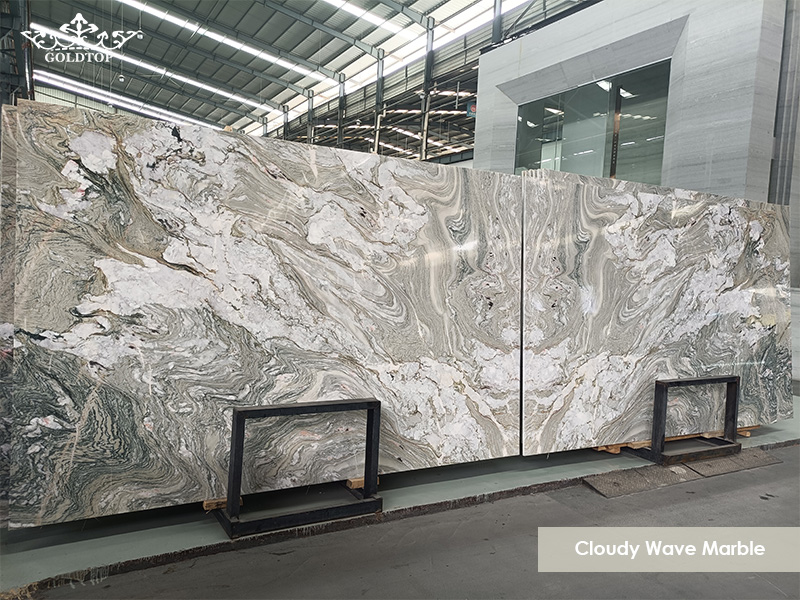
ROSA NORVEGIA Marble Cold Emerald Marble Cloudy Wave Marble


Italy Arabescato Marble Sketching Spatial Sophistication with Pure Elegance


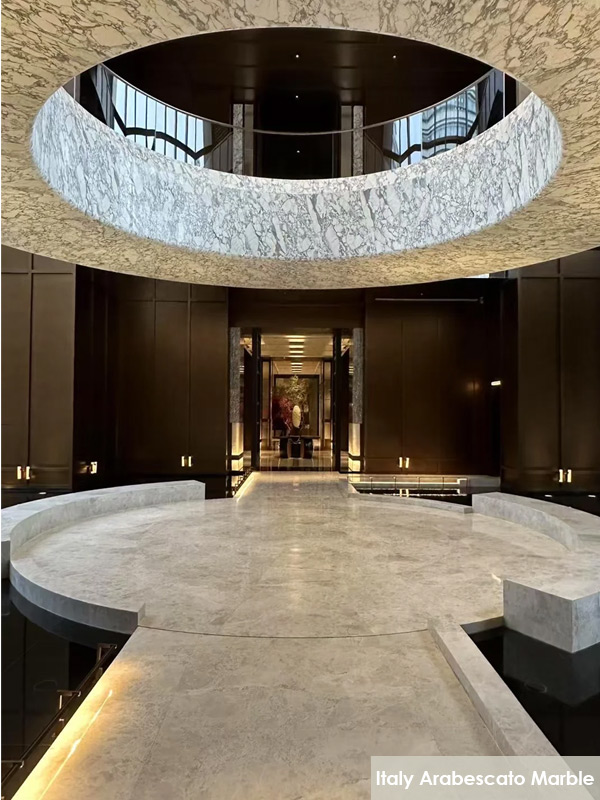
Arabescato Marble is a prestigious natural stone imported from Italy. Renowned for its pristine white base that is pure yet never stark, it is elegantly traversed by deep, interlacing grey veins. These natural, flowing patterns are distributed in a harmoniously irregular manner, exuding both grace and grandeur. Notably harder than many common marbles, Italian Arabescato Marble often requires no mesh backing for reinforcement, making it a superior and durable choice for interior decoration. As a mid-to-high-end variety, it brings timeless luxury to residential and commercial spaces.


italy Arabescato Marble


Versatile Applications of Arabescato Natural Marble

The bold, dark veining against its greyish-white background makes Arabescato Marble incredibly versatile. For flooring, Arabescato Marble Tile creates expansive, seamless surfaces that elevate an entire room. As wall cladding or a stunning Arabescato Marble Backsplash, it becomes an instant focal point. Designers frequently employ large slabs for feature walls, where its dramatic pattern unfolds like natural art.

Beyond vertical surfaces, Arabescato Marble shines in functional artistry. A custom Arabescato Marble Table serves as a statement piece in dining or living areas. In more intimate spaces, an Arabescato Marble Fireplace mantle brings warmth and opulence to a living room, while Arabescato Marble Bathroom applications—from vanities to shower surrounds—transform everyday routines into spa-like experiences. The consistent theme is leveraging the stone's natural beauty, from the classic White Arabescato Marble aesthetic to more pronounced grey variations, to frame spaces with sophistication.

Arabescato Marble TileArabescato Marble BacksplashArabescato Marble Bathroom

Case Studies: Arabescato in Action

1. Taipei Showflat: The Beauty of Oriental Zen

A journey of refinement and balance. Here, Arabescato Marble panels are paired with brushed titanium and deep wood tones to define the space's character. The contrast between the stone's polished luster and matte, textured materials enriches the visual layers. A movable lattice screen between the living room and study allows for flexible space usage, where light filters through, creating both privacy and connection. Metallic details act as elegant divisions on the large marble surfaces, weaving modern luxury into a serene, material-rich tapestry.


Arabescato Marble

Arabescato Marble

Arabescato Marble

Arabescato Marble


2. Shanghai Private Mansion: A Grand Feast

Inspired by florals, designer Tony Chi created the magnificent "MANSION FLOWER" using Arabescato Marble. The home is a testament to identity, emotion, and relentless passion for original design. Elements of New Decorativism and Baroque art merge, with the marble's flowing veins echoing abstract and literal floral motifs. This seamless blend of artistic and natural beauty crafts an environment of romantic elegance, where the continuous variation in the stone's pattern plays a leading role in the narrative of opulence.

italy Arabescato Marble

italy Arabescato Marble

italy Arabescato Marble

italy Arabescato Marble


In essence, Arabescato Marble is more than a material; it is a design element that paints spaces with purity and dynamism. Its ability to anchor a room—be it through a majestic floor, a sleek tabletop, or a glowing fireplace—makes it the ultimate choice for crafting interiors that speak the silent language of advanced aesthetics.


A Guide to Black Marble Varieties & Inspiring Layout Ideas


Black marble, as one of the most pure colors, possesses an intense abstract expressiveness that surpasses any other hue. Its depth may seem like a limit to imagination, yet in truth, black can evoke boundless creativity. When paired with white, the combination creates a clean and sophisticated aesthetic. Various layout patterns arranged in an orderly manner divide the space into numerous sections, enhancing its layered variation and three-dimensional prominence.

1. Wide Stripe Paving
Bold stripes create a strong visual rhythm, perfect for modern interiors.

Marble Wide Stripe Paving

Marble Wide Stripe Paving


2. Polygon Paving
Distinct geometric patterns form rich three-dimensional visual effects through polygonal combinations.

Marble Polygon Paving

Marble Polygon Paving


3. Irregular Paving
Breaking conventional arrangements, this free-spirited layout showcases unique artistic beauty.

marble Irregular Paving


4. Black-White Diamond Paving
Dynamic and stylish, diamond-shaped patterns are ideal for contemporary artistic spaces.

Black-White Diamond Paving Marble


5. Herringbone Paving
A classic, elegant pattern suitable for creating an understated luxurious atmosphere.

Herringbone Paving Marble


In these paving schemes, material selection is crucial. Black Marble, with its natural veins and deep tones, is a top choice for high-end designs. Whether through the contrast of White Black Marble or the refined mosaic work of Black Marble Mosaics, it adds exceptional charm to any space. For Floor Black Marble applications, sourcing Luxury Black Marble from reputable Black Marble Manufacturers ensures both quality and durability. For instance, in Black Marble Dining settings, applying the above paving methods can elevate the overall visual appeal and create an elegant, upscale dining experience.

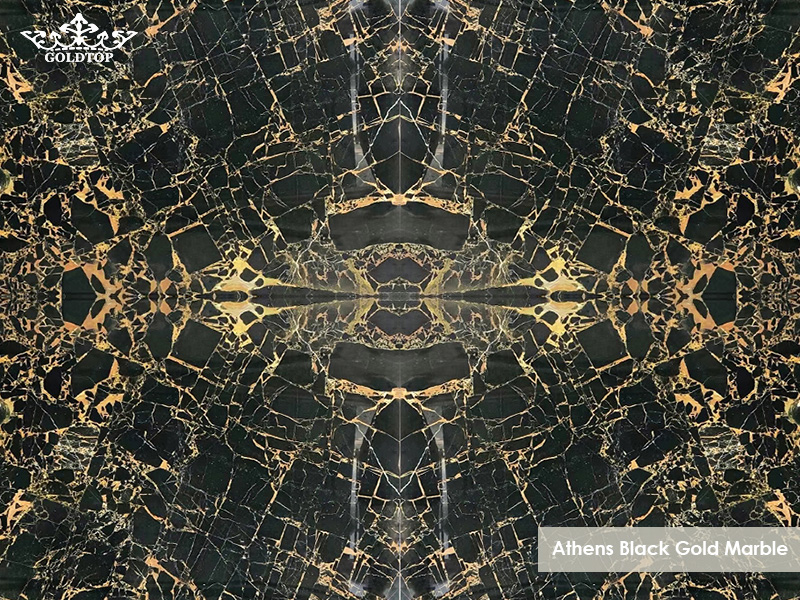
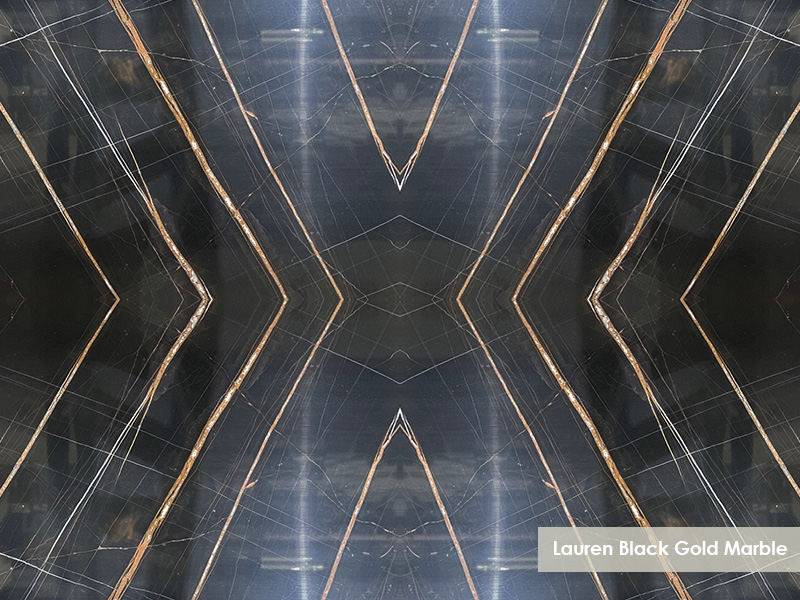
Athens Black Gold MarbleLauren Black Gold MarbleGolden Fire Marble


Architectural Treasure Exploring the Unique Allure of Granite


Granite stands as one of humanity's oldest building materials, a constant from the pyramids of ancient Egypt to the Colosseum of Rome. Celebrated for its "enduring history + exceptional performance + wide-ranging applications," it is rightfully recognized as a gem in the architectural world. Let's delve into the unique charm of granite.


I. What is Granite?

Granite is an igneous rock formed from the slow cooling and solidification of magma deep underground. This high-pressure process creates an incredibly hard, dense, and durable material with outstanding resistance to weathering. Many of China's famous mountains, such as Mount Tai and Huangshan, are formed from granite, which outcrops over an area exceeding 800,000 square kilometers.


II. The Diverse Characteristics of Granite

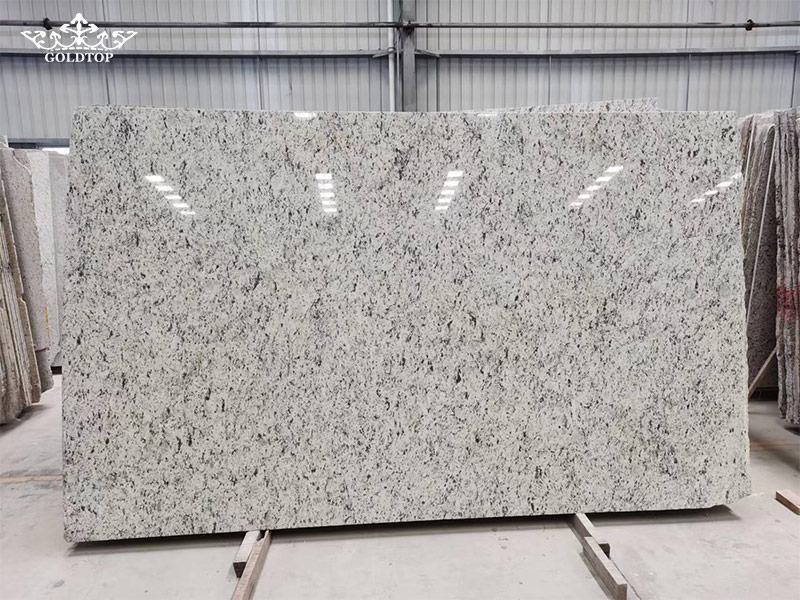
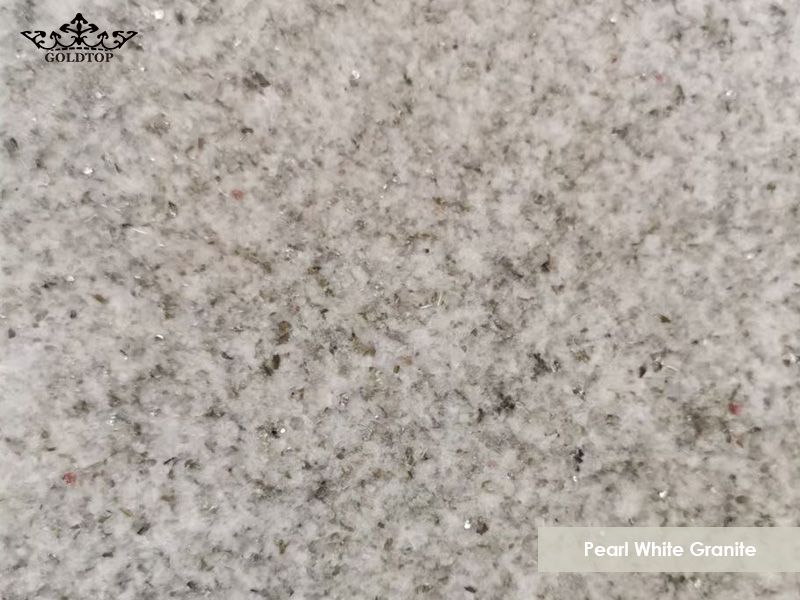
Granite boasts a stunning variety of colors and patterns, even surpassing marble in its range. Beyond common blacks, whites, and grays, it is available in hues like red, bluish-white, and yellow. This versatility allows it to adapt to any design aesthetic—from intricate decorative accents to large-scale applications that create a sense of simplistic natural beauty.

granite

Known as the "King of Stones," granite is prized for its hardness, strength, abrasion resistance, low water absorption, and ability to retain its beautiful color for centuries, making it an ideal material for construction and design.

granite

III. Outdoor Applications of Granite

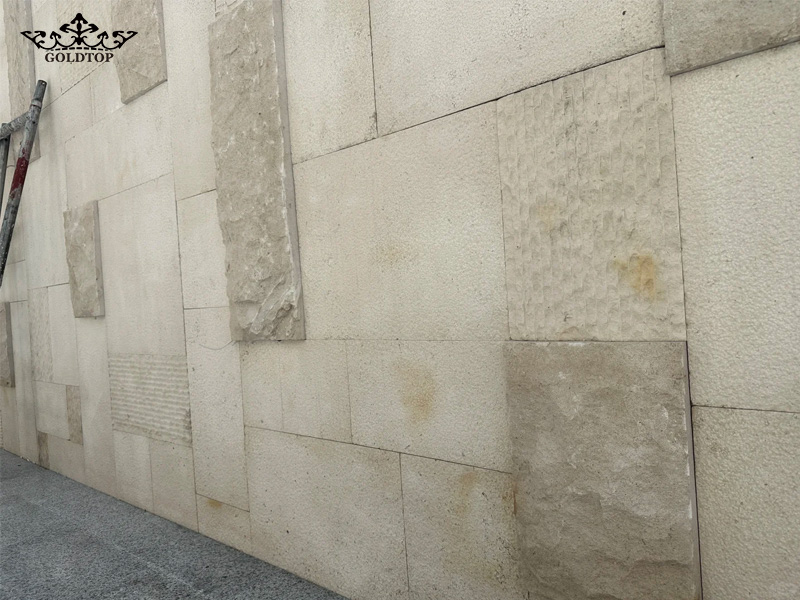
Outdoors, granite is extensively used for paving, plazas, parks, and building facades. Designs employing solid colors, blends, or mixed sizing can easily achieve visually pleasing effects. For building exteriors, granite slabs are often used in curtain wall systems, creating sleek, modern facades. More ornate applications, featuring carvings and columns, exude luxury. Its rugged texture is highly favored in global design for adding substantial character to structures.

outdoor granite paving

granite park

granite building facades

IV. Indoor Applications of Granite

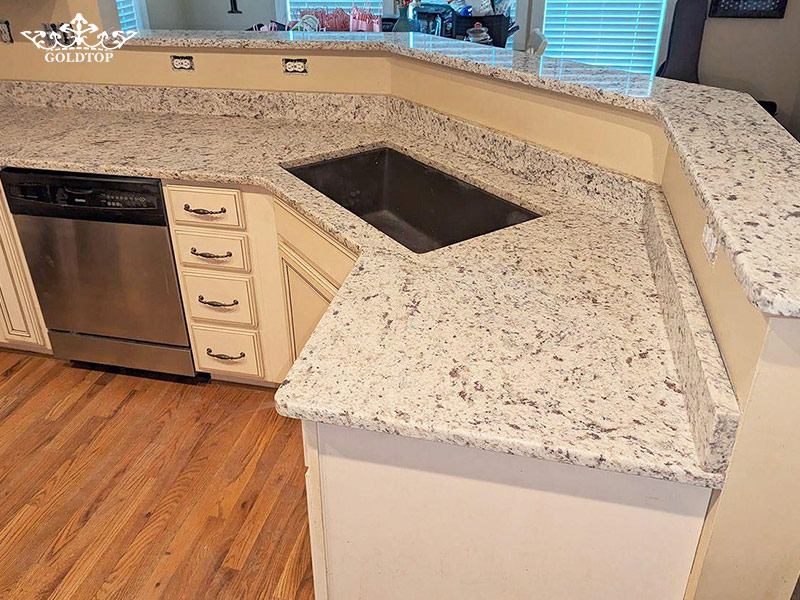
Inside, granite excels both functionally and aesthetically. As a functional material, it is perfect for Granite Countertops, wall cladding, stair treads, and more. Its rich tactile surface and consistent patterning make it an irreplaceable design element, perfectly suited for contemporary trends like textured, three-dimensional wall features.

granite wall cladding

granite flooring

black granite countertop

Tired of minimalist solid colors or common marble veins? Granite might be your key to breaking the mold. For instance, using Red Granite or Brazilian Green Granite for a Granite Countertop with a Granite Backsplash can instantly energize a kitchen space. Granite Tiles used on floors or walls create an atmosphere of steady elegance. Furthermore, granite serves as an excellent choice for a Fireplace Granite surround, combining durability with timeless beauty.

Granite Countertop with a Granite Backsplash

Granite Countertop with a Granite Backsplash

In conclusion, whether in outdoor structures or interior décor, granite continues to shine with its unique performance and aesthetic appeal, proving itself as a truly precious material that stands the test of time.